
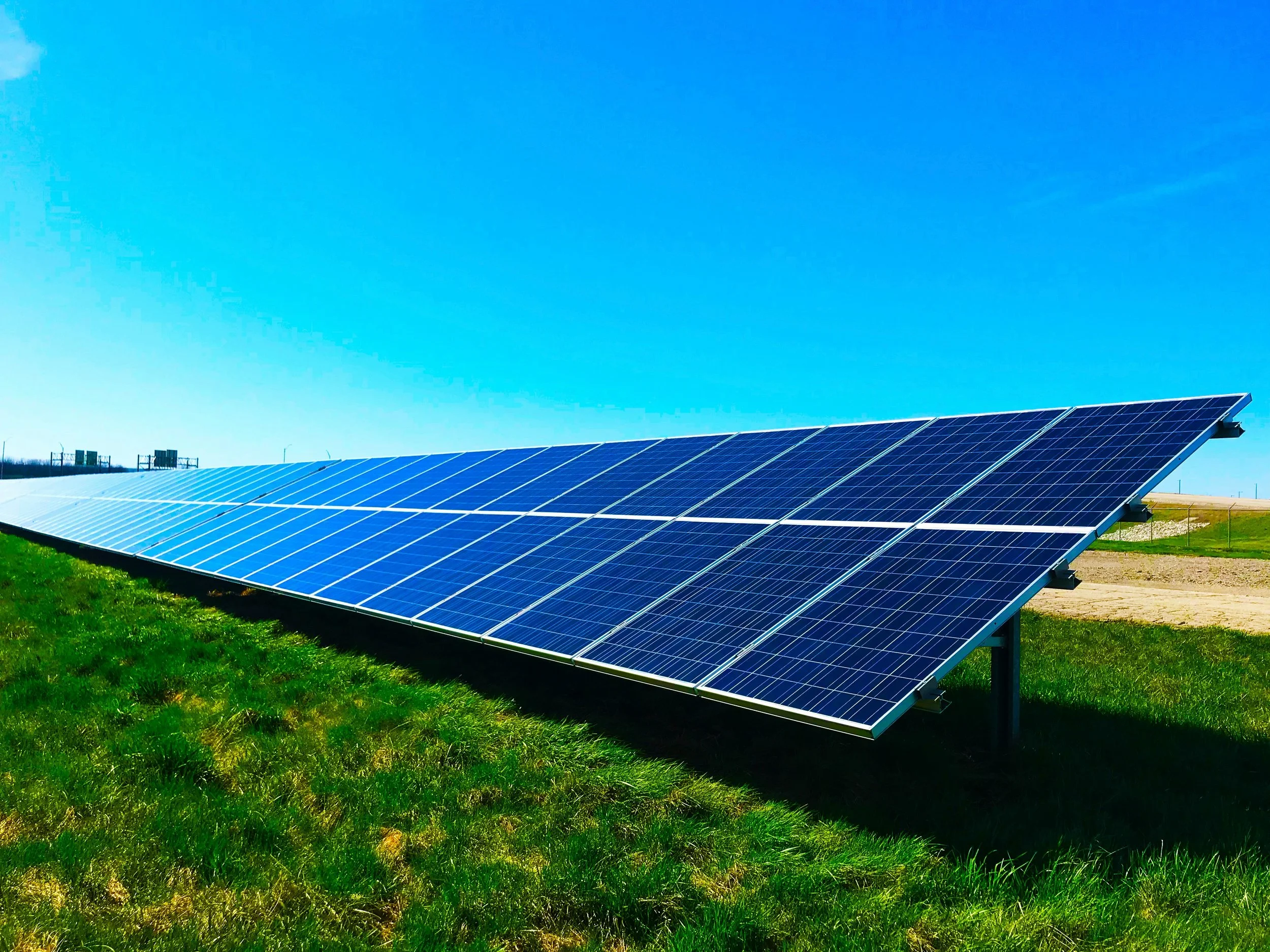
Energy Transition: High-Income Households
The transition to a sustainable energy system is one of the most urgent challenges of our time. While significant progress has been made in reducing emissions, the distribution of responsibility across society remains highly unequal.
This project focuses on a largely overlooked but highly impactful group: high-income households. Research shows that these households contribute disproportionately to carbon emissions due to higher levels of consumption, mobility, and energy use. Globally, the wealthiest 10% account for nearly half of total emissions, while the poorest 50% contribute only a small fraction. Despite this, most existing policies and interventions primarily target low- and middle-income groups.
Collaborator: Actienetwerk GasTerug
Students: Roma Vasselli, Samuel Heras de Paz, Bente van Katwijk
Supervisors: Jarik Guijt, Dave Emons, Ieteke Schouten, Susan te Pas
Cohort: 2026
Challenge
A key challenge in the energy transition is not just reducing overall emissions but doing so in a way that is perceived as fair and socially legitimate. Currently, there is a strong policy focus on protecting low-income households from energy poverty, which is essential. However, this has led to an important gap: the limited attention given to high-income households.
In collaboration with Actienetwerk GasTerug and within the Collective Futures minor at the University of Amsterdam, this project aims to address this imbalance. By combining insights from behavioural science with real-world data, we aim to design effective and socially acceptable interventions that encourage high-income households to adopt more sustainable behaviours.
Beyond their direct impact, high-income households also play a key role in shaping social norms and influencing markets through their consumption and investment choices. Yet, influencing their behaviour presents unique challenges. This group often experiences fewer financial constraints, may underestimate their environmental impact, and may justify unsustainable behaviours.
The central challenge, therefore, is: How can we effectively motivate high-income households to reduce their energy use and contribute more fairly to the energy transition, without compromising feasibility, acceptance, and long-term impact?
Approach
Our approach is grounded in behavioural science and combines theoretical insights with empirical research and practical experimentation.
First, we use a behavioural framework to understand the drivers and barriers behind sustainable behaviour. We will conduct interviews with people in The Netherlands with a high socioeconomic position to understand why they do or do not engage in sustainable behaviour. We also conduct literature research and expert interviews to build a strong theoretical and practical foundation.
Based on all these insights, we design a targeted behavioural intervention using a popular theoretical framework, the Behaviour Change Wheel. This ensures that the intervention is evidence-based and tailored to the specific characteristics of the target group.
We then test this intervention in a pilot experiment, measuring both objective (e.g. energy usage) and subjective outcomes (e.g. attitudes, perceptions, willingness to change).
Outcomes
This project aims to generate both scientific insights and practical applications. The main expected outcomes include:
A deeper understanding of high-income household behaviour
Including key motivations, barriers, and misconceptions related to energy use and sustainability.
An evidence-based behavioural intervention
A targeted and tested strategy designed to encourage more sustainable energy behaviour within this group.
Pilot study results
Insights into the effectiveness of the intervention, including both behavioural changes and participant experiences.
Policy recommendations
Actionable advice for Actienetwerk GasTerug and the municipality of Amsterdam on how to better engage high-income households in the energy transition.
Student team
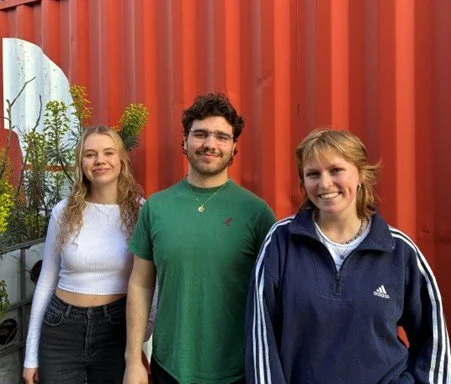
Roma Vasselli, Samuel Heras de Paz, Bente van Katwijk